Potentiostats
We have four types of potentiostats/galvanostats, which allow for performing numerous electrochemical studies, such as:
- Cyclic Voltammetry (CV)
- Linear Sweep Voltammetry (LSV)
- Chronoamperometry (ChA)
- Chronopotentiometry (ChP)
- Differential Pulse Voltammetry (DPV)
- Electrochemical Impedance Spectroscopy (EIS)
- Square Wave Voltammetry (SWV)
List of available potentiostats:
- Gamry Reference 3000 potentiostat
- Two Bio-Logic SP-300 potentiostats
- Two Autolab PSTAT 204 potentiostats, including one equipped with a rotating ring-disk electrode system (RRDE)
- Princeton Applied Research EG&G 273A potentiostat
- PalmSense4 potentiostats
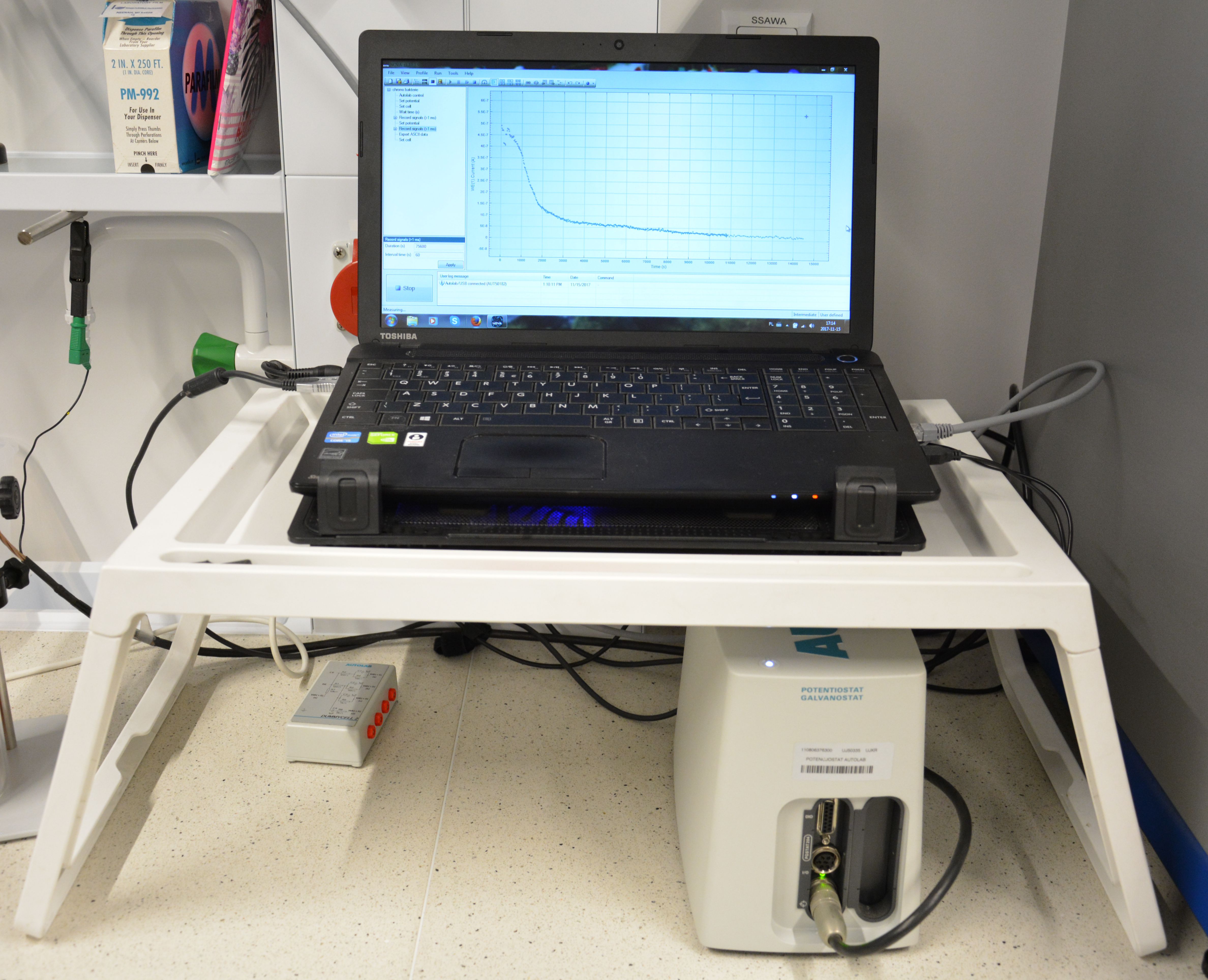
Using these devices, we perform electrosynthesis of various metallic, polymeric, and semiconducting materials. Corrosion studies, comprehensive investigations of energy-storage systems, electrochemical sensor testing, bioelectrochemical system studies, as well as studies of electrode process kinetics are also conducted.
Specification:
- Maximum current: +/-400 mA
- Maximum voltage:
- Current range: 10 nA–100 mA
- Potential range: +/-10 V
Contact: A. Brzózka – e-mail: brzozka@chemia.uj.edu.pl,
Center for ATOM-Scale Materials Research for an INnovative Economy
Biologic M470 SCANNING ELECTROCHEMICAL STATION
Compared to classical electrochemical techniques based on three-electrode systems, Scanning Electrochemical Microscopy (SECM) uses an additional electrode positioned above the examined surface. This allows for imaging electrochemical activity and tracking the topography of the studied substrate. SECM is used for imaging surface activity, including:
- determining the kinetics of heterogeneous reactions,
- characterizing biological systems,
- examining membranes and thin films,
- analyzing surface reactions,
- studying electrocatalytic phenomena.
The electrochemical station is equipped with seven measurement modules:
- Intermittent Contact Scanning Electrochemical Microscopy (ic-SECM),
- Alternating Current Scanning Electrochemical Microscopy (ac-SECM),
- Scanning Vibrating Electrode Technique (SVET),
- Scanning Kelvin Probe (SKP),
- Localized Electrochemical Impedance Spectroscopy (LEIS),
- Scanning Droplet System (SDS),
- Optical Surface Profilometry (OSP).
Equipment for Anodic Oxidation of Metals
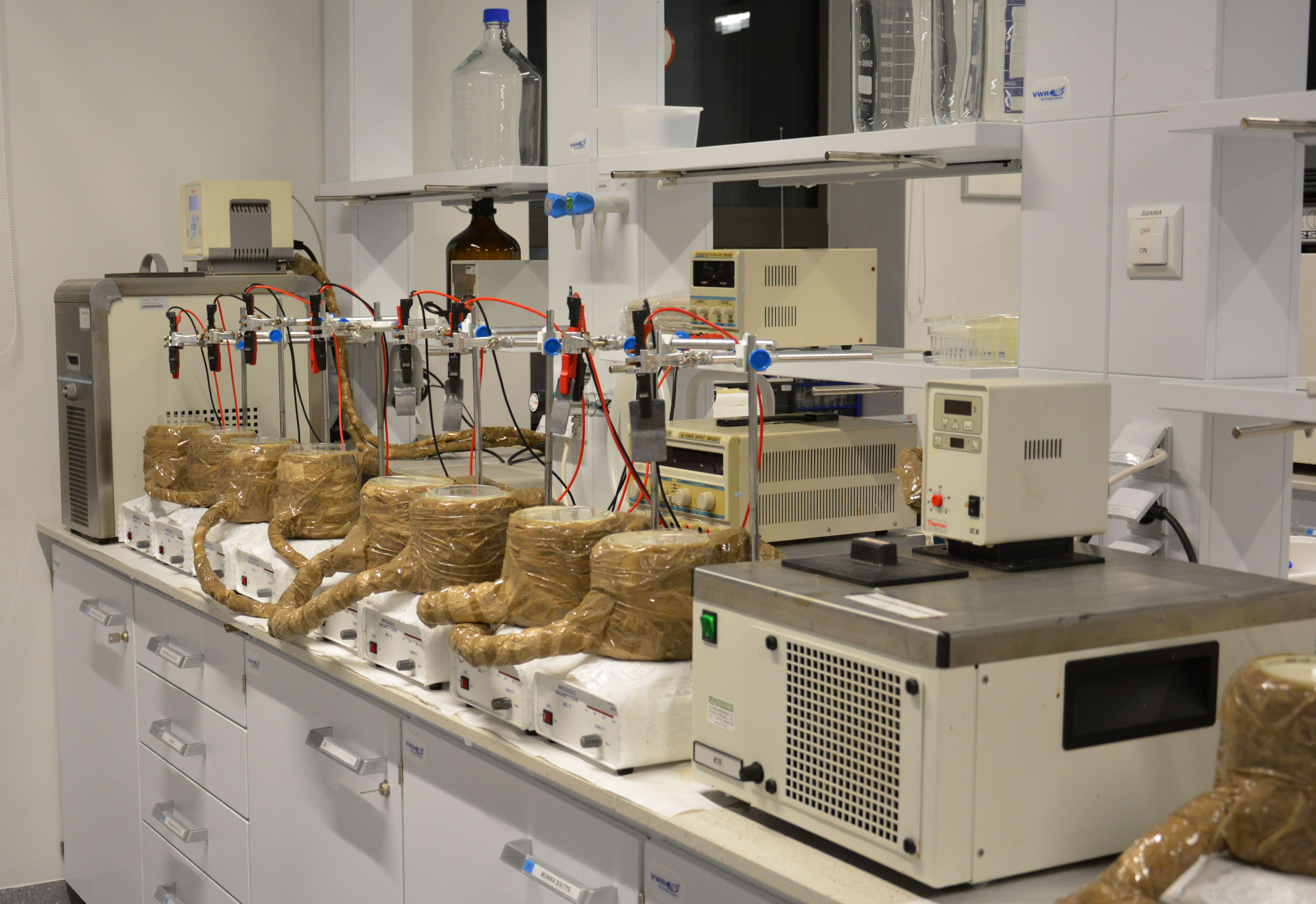
We have the following equipment for anodic oxidation of metals:
- laboratory cryostats and thermostats (including Thermo Scientific, Haake, Huber, Julabo, VWR, and others)
- laboratory power supplies (including TDK Lambda, BK Precision XLN30052, ARRAY 3646A, Electro-Automatic, and others)
- laboratory multimeters (e.g., Keithley 2110-240, Picotest M-3500A, APPA207, and others)
- a set of specially designed Teflon electrochemical cells
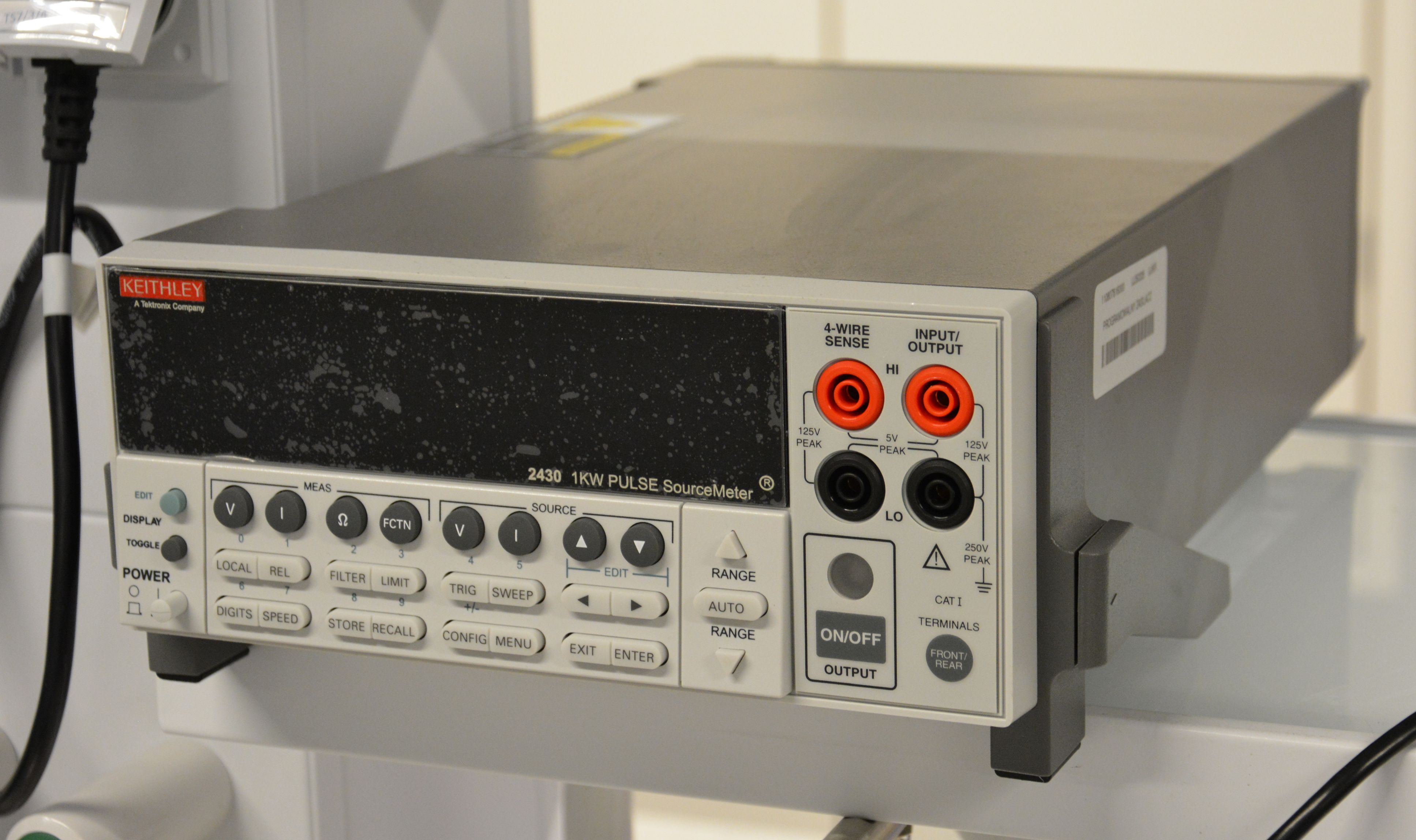
Keithley 2430 SourceMeter
A device that can serve both as an extremely precise DC voltage/current source (with accuracy on the order of µV and nA) as well as a multimeter with 6½-digit resolution. Additionally, it offers pulse generation capabilities (Umax = 100 V, Imax = 10 A).
Contact: L. Zaraska – e-mail: zaraska@chemia.uj.edu.pl
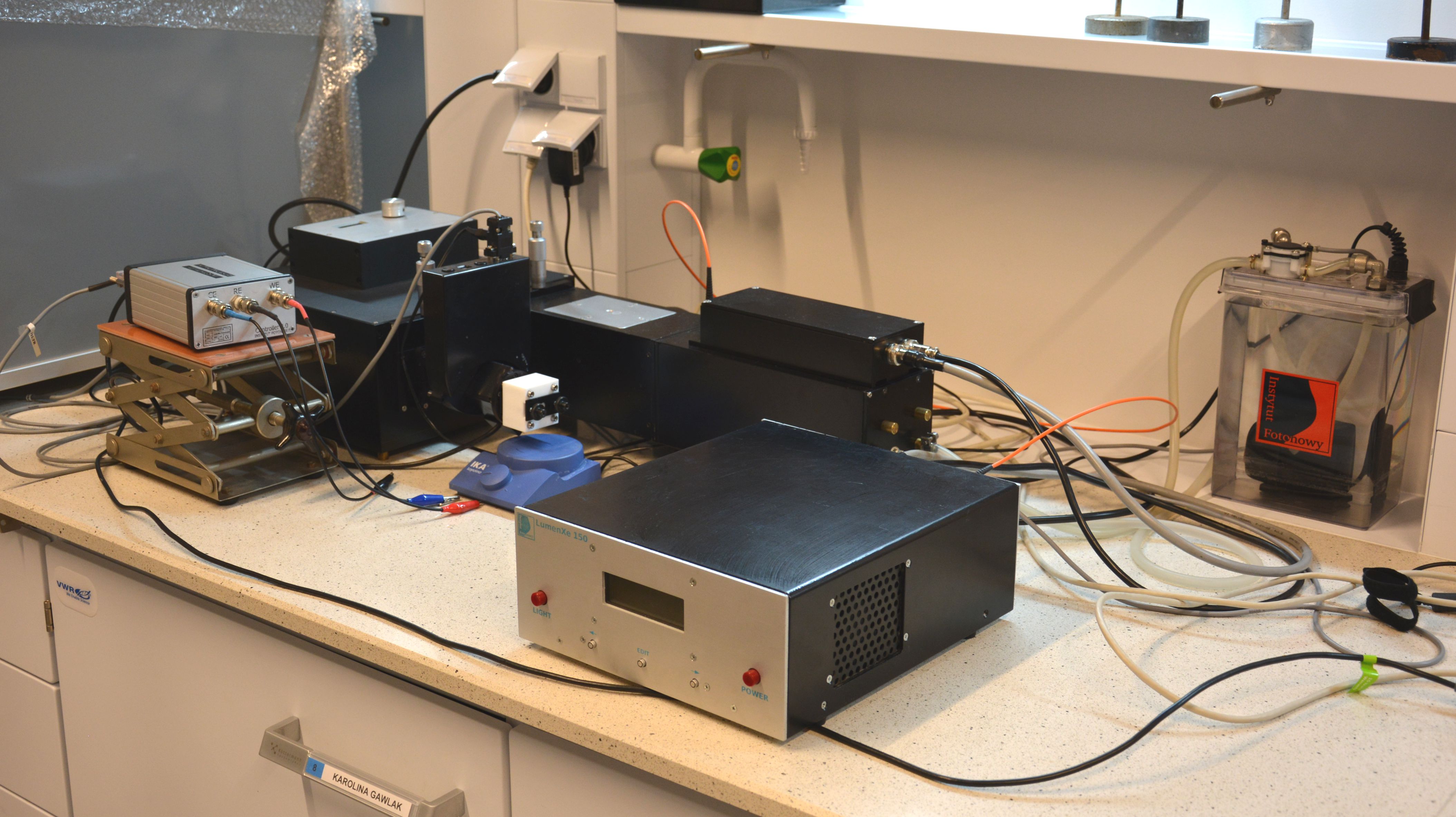
Photoelectric Spectrometer (Instytut Fotonowy)
Designed for photoelectrochemical studies of materials (wide-bandgap semiconductors). It has a modular structure and consists of a digitally controlled light source (150 W xenon lamp, monochromator, set of edge filters, shutter, light-intensity stabilization system), a dedicated potentiostat (P-IF 1.6), and a computer. The device is fully automated. The control module allows adjustment of the emitted light wavelength, shutter open/close timing, insertion of edge filters, and synchronization with the potentiostat. The dedicated software enables straightforward acquisition of photoelectrochemical activity characteristics of tested samples by measuring photocurrent as a function of wavelength, recorded using the potentiostat. Results are presented as maps of photocurrent values as a function of electrode potential and the wavelength of incident light. Additionally, it enables indirect determination of the band gap and quantum efficiency (IPCE) of light-to-charge conversion. Measurements can be performed in both continuous and pulsed modes.
Detailed device specification is available on the manufacturer’s website.
Contact: K. Syrek – e-mail: syrek@chemia.uj.edu.pl, L. Zaraska – e-mail: zaraska@chemia.uj.edu.pl
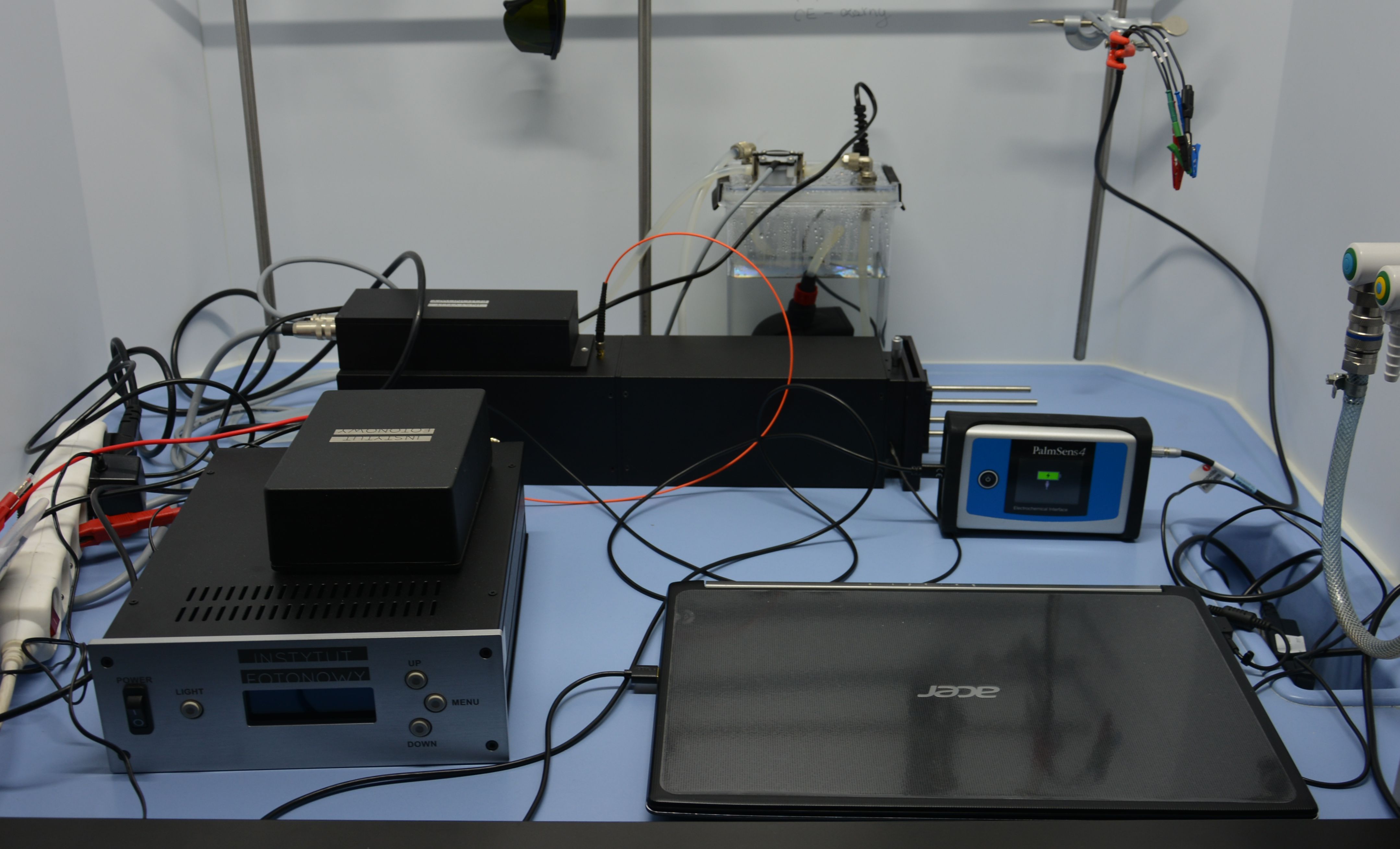
Solar Illuminator (Instytut Fotonowy)
A 150 W xenon illuminator equipped with an Air-Mass 1.5 G filter enables irradiation of materials with light simulating solar conditions near the Earth’s surface (corresponding to a defined atmospheric air-mass thickness). Detailed characteristics of the light source are available on the manufacturer’s website (Instytut Fotonowy).
The measurement system is additionally equipped with a PalmSens4 potentiostat, enabling not only photocatalytic measurements but also photoelectrochemical testing of the studied materials.
Contact: K. Syrek – e-mail: syrek@chemia.uj.edu.pl, L. Zaraska – e-mail: zaraska@chemia.uj.edu.pl
UV/Vis/NIR Spectrophotometer Perkin Elmer Lambda 750S
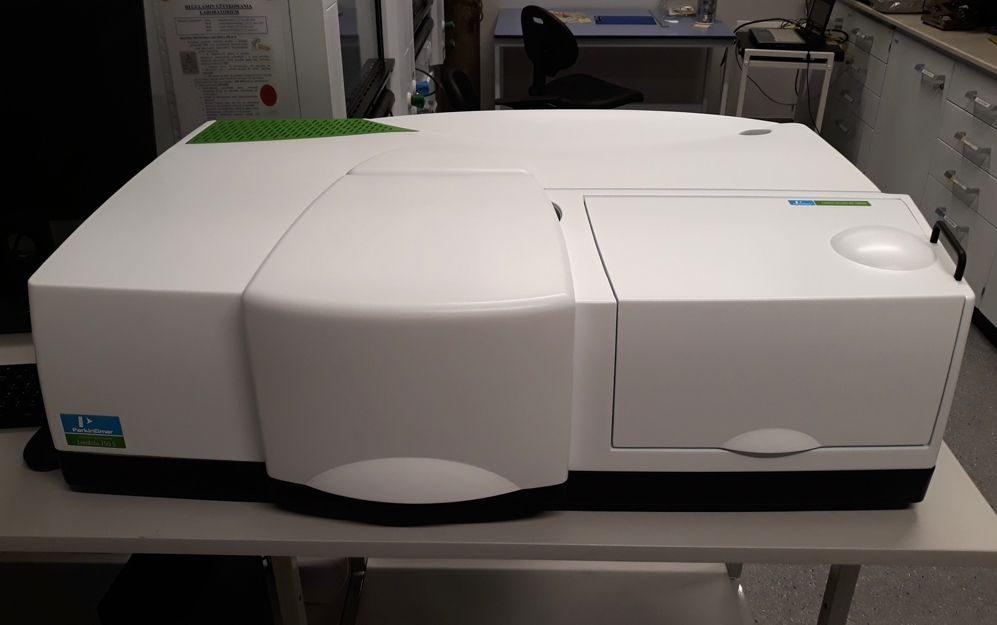
The PerkinElmer Lambda 750 double-beam UV-Vis spectrometer, equipped with two chambers, allows analysis of both liquid and solid samples. Absorbance, transmittance, and reflectance measurements can be performed over the range 200–2200 nm. Reflectance spectra of semiconductor samples enable determination of the material’s band gap. Additionally, the device allows measurement of reflectance spectra of solid samples during electrochemical polarization of the tested material.
Contact: K. Syrek – e-mail: syrek@chemia.uj.edu.pl, L. Zaraska – e-mail: zaraska@chemia.uj.edu.pl
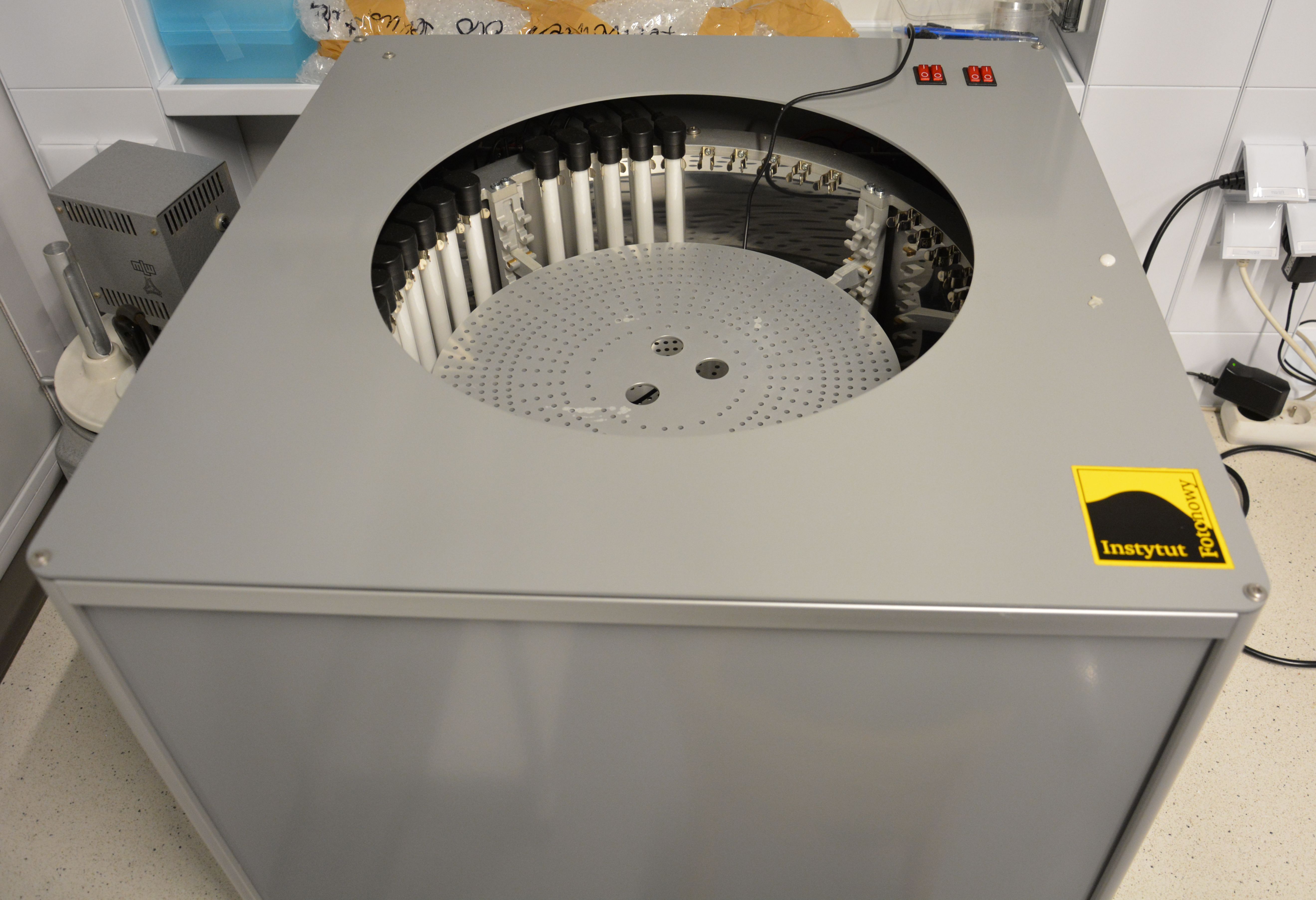
Reactors for photocatalytic processes (Instytut Fotonowy)
The UV reactor (Photonics Institute) is used for investigating photodegradation processes of organic compounds. It is equipped with 20 monochromatic lamps (350 nm) with a total power of 160 W. We also have a reactor equipped with a solar lamp, dedicated to powder-form photocatalysts, with the ability to control the measurement atmosphere (e.g., nitrogen purging during the experiment), the irradiation intensity, and the hydrodynamic conditions inside the reactor.
Contact: K. Syrek – e-mail: syrek@chemia.uj.edu.pl
Ossila LED Solar Simulator
The Ossila Solar Simulator is designed to illuminate samples with radiation closely matching the natural solar spectrum corresponding to the AM1.5G standard. The device uses a high-efficiency 150 W xenon lamp providing a stable light intensity of up to 100 mW/cm², which enables photoelectrochemical measurements under controlled laboratory conditions.
Detailed technical specifications are available on the OSSILA website.
Solar Illuminator (Quantum Design, LS0400)
A 300 W xenon illuminator equipped with an Air-Mass 1.5 G filter and fiber-optic coupling allows precise irradiation of samples with full-spectrum solar light over a 15 mm area. Detailed specifications are available on the Quantum Design website.
AvaSpec-HSC1024x58TEC-EVO Fiber Optic Spectrometer (Avantes)
Equipped with an AvaLight-DH-5 light source (190–2500 nm) and a 50 mm integrating sphere. The system is intended for absorption and reflectance measurements in the 200–1160 nm range. Additionally, the device offers a transmission measurement mode dedicated to thin films.
More information can be found on spectro-lab.pl.
SHIMADZU GC-2010 Pro Gas Chromatograph
Enables fast and sensitive analysis of gas samples. The TCD and FID detectors, along with a methanizer, allow measurement of hydrogen and carbon dioxide concentrations. More information can be found on the manufacturer’s (SHIMADZU) website.
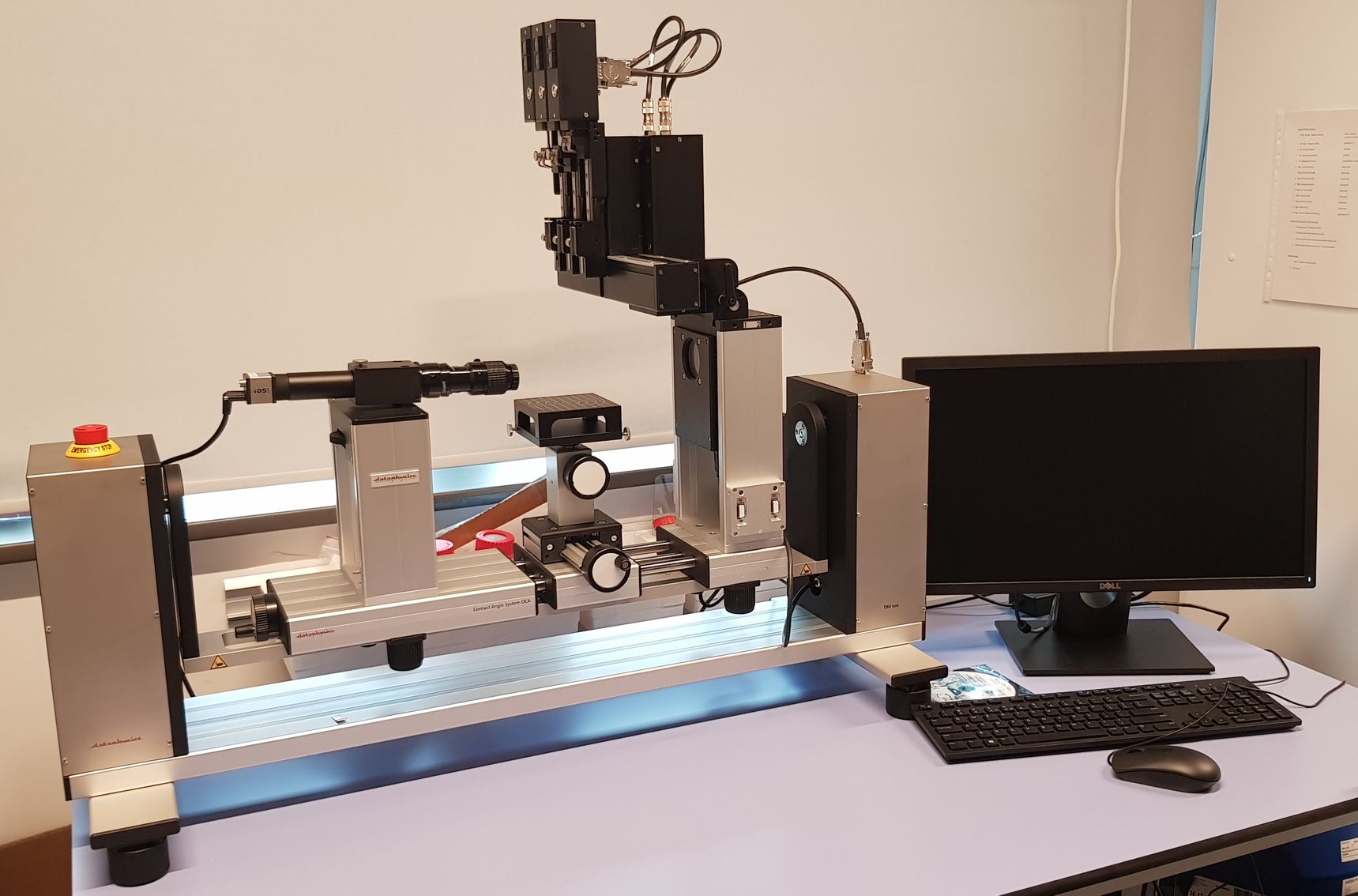
DataPhysics OCA25 Goniometer
The goniometer enables the measurement and analysis of both static and dynamic contact angles using sessile drop methods. It also allows determination of the contact angle and surface free energy using the pendant drop method. The OCA25 model is equipped with three automatic liquid dispensers, a tiltable stage, and a holder for special samples (films, membranes).
Contact angle: 0–180° with an accuracy of ±0.1°
Surface free energy: 0.01–2000 mN/m with an accuracy of 0.01 mN/m
Contact: M. Gurgul – e-mail: gurgulm@chemia.uj.edu.pl
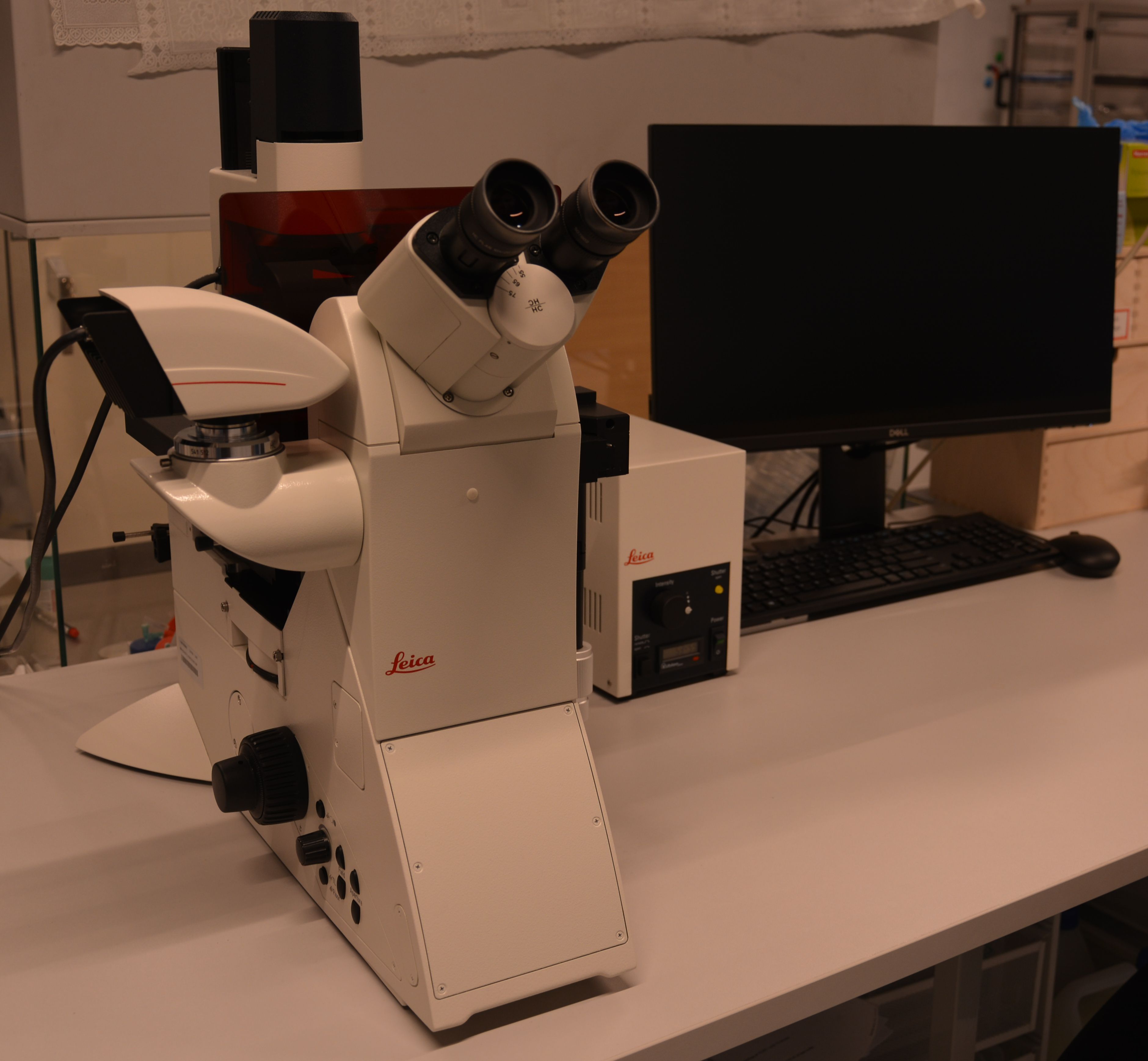
Modular Fluorescence Microscope Leica DMi8
Inverted, coded microscope adapted for transmitted light and fluorescence imaging.
Illumination for transmitted light – LED with TTL diaphragm.
Illumination for fluorescence – 120 W metal-halide lamp.
The microscope is equipped with a three-plate manual stage, 10×, 20×, and 40× objectives, a 6-position filter wheel, and filter cubes for DAPI, FITC, and RHODO dyes.
The microscope allows observation of both transparent samples (on slides, in multiwell plates) and opaque materials (fluorescence only).
With the advanced Leica Application Suite (LAS) X software, image processing is possible, including merging images from multiple channels and performing automated image analysis.
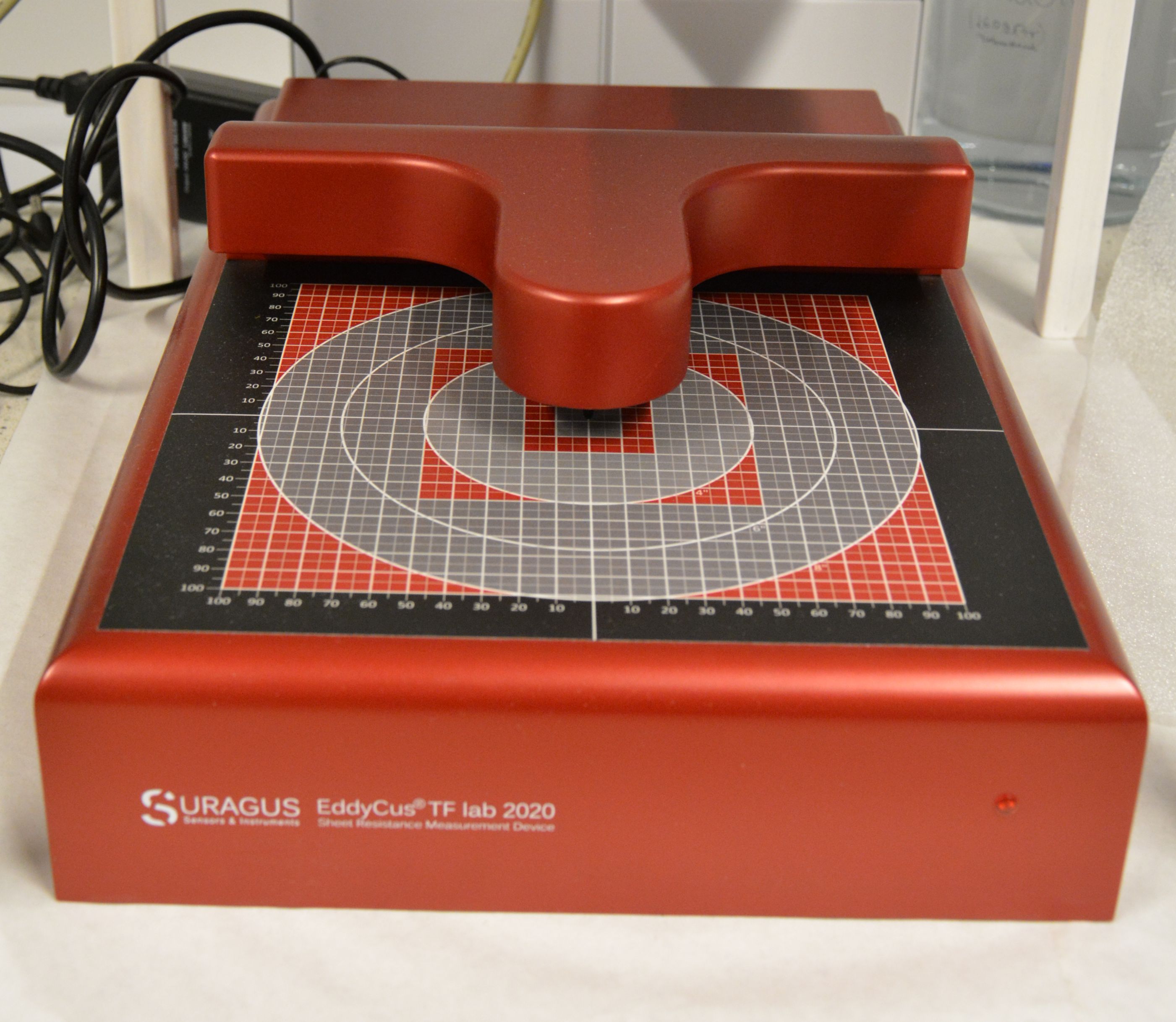
Non-contact Conductivity Measurement System Suragus EddyCus® TF lab 2020
A device for single-point, non-contact measurement of sheet resistance and thickness of thin films. It enables resistance measurements of samples with areas from 100 mm2 to 40,000 mm2, in the range of 0.001 to 3.000 Ω cm-2. The device can be used to measure the conductivity of materials such as semiconductor wafers, glass coated with conductive layers, battery electrodes, etc.
Contact: A. Brzózka – e-mail: brzozka@chemia.uj.edu.pl
Elmetron CX-701 Multifunctional Meter
The device enables simultaneous measurements of pH, redox potential, ion-selective measurements, specific conductivity of solutions, salinity (converted to KCl, NaCl, or TDS), dissolved oxygen concentration in water (in % or mg/L), atmospheric pressure in hPa, and the temperature of solutions or air. Semi-automatic titration is also possible.

XploRA™ PLUS (Horiba France SAS)
MicroRaman Spectrometer - Confocal Raman Microscope
The XploRA™ PLUS is a microRaman system designed for chemical and structural analysis at the microscopic scale. It provides high detection sensitivity and good spectral and spatial resolution, enabling precise characterization of material composition.
The system uses SWIFT™ confocal microscopy, which allows fast mapping of samples while accounting for their structure and heterogeneity. Various laser excitation wavelengths are available to adapt measurement conditions to the properties of the analyzed materials (currently equipped with a 638 nm laser).
The XploRA™ PLUS is suitable for studying a wide range of materials, from inorganic samples to biomaterials, providing detailed information on their composition and structure.
Seiko QCM22A - Quartz Crystal Microbalance
The Seiko QCM22A is a quartz crystal microbalance used for precise measurement of nanoscale mass changes based on shifts in resonance frequency. It enables simultaneous monitoring of frequency and resistance, providing insight into mass variations and viscoelastic properties of thin films. The system offers high sensitivity, stable operation, and compatibility with a wide range of quartz sensors.
Applications include:
– adsorption and desorption studies,
– thin-film deposition and growth monitoring,
– electrochemical processes (EQCM),
– corrosion and surface modification analysis,
– gas and vapor sensing,
– characterization of sensor coatings and soft materials.
Quorum Q150T S Vacuum Coater
The coater is equipped with a thickness monitor for the deposited layer. It enables deposition of thin films of both noble metals (e.g., Au, Ag) and oxidizing metals (e.g., Ni, Co, Sn).

Contact: L. Zaraska – e-mail: zaraska@chemia.uj.edu.pl
Polos-SPIN150i-NPP Spin Coater
The spin coater is designed for cleaning, drying, coating, developing, and/or etching substrates with diameters up to 160 mm.
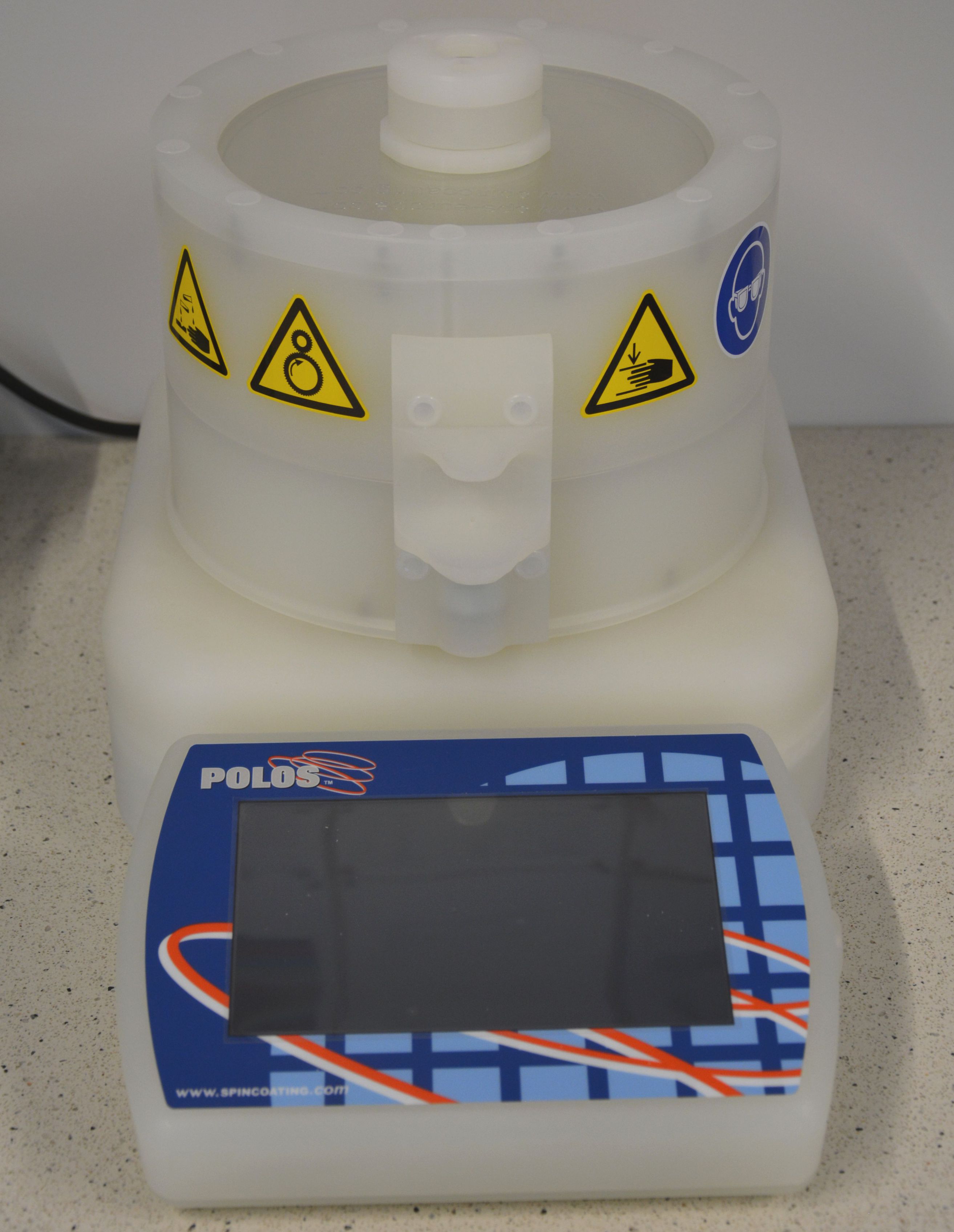
Adjustable process parameters:
- Time: 0.1–99,999 s/step
- Rotation speed: 0–12,000 rpm
- Acceleration/deceleration: 1–30,000 rpm/s
Contact: M. Gurgul – e-mail: gurgulm@chemia.uj.edu.pl
Czylok FCF 5SHM Muffle Furnace
Enables annealing of samples at temperatures up to 1300 °C.
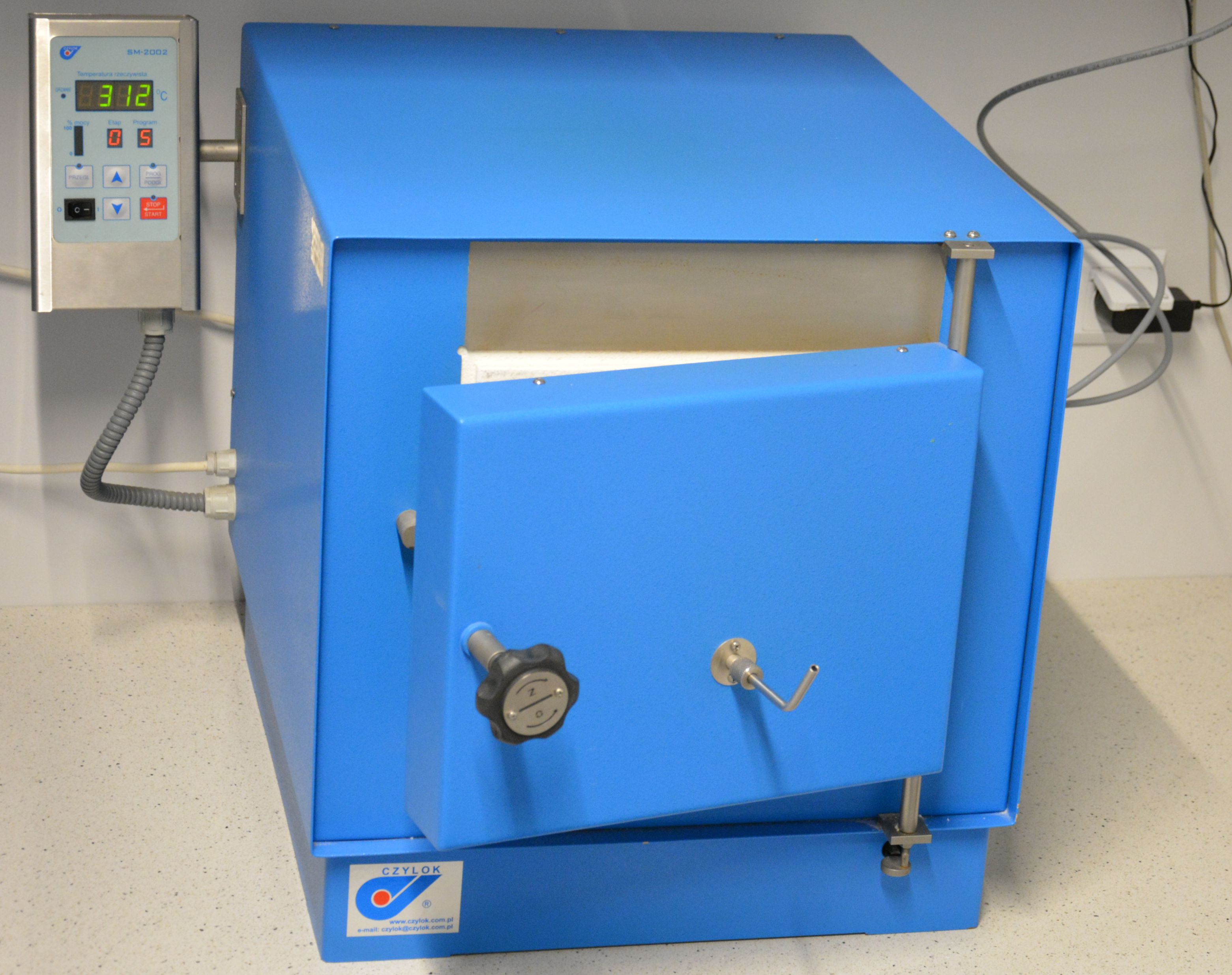
Contact: L. Zaraska – e-mail: zaraska@chemia.uj.edu.pl
Czylok PRW 50x618/120 Tube Furnace
Enables annealing of samples at temperatures up to 1200 °C in oxygen, argon, or under vacuum.
Contact: L. Zaraska – e-mail: zaraska@chemia.uj.edu.pl
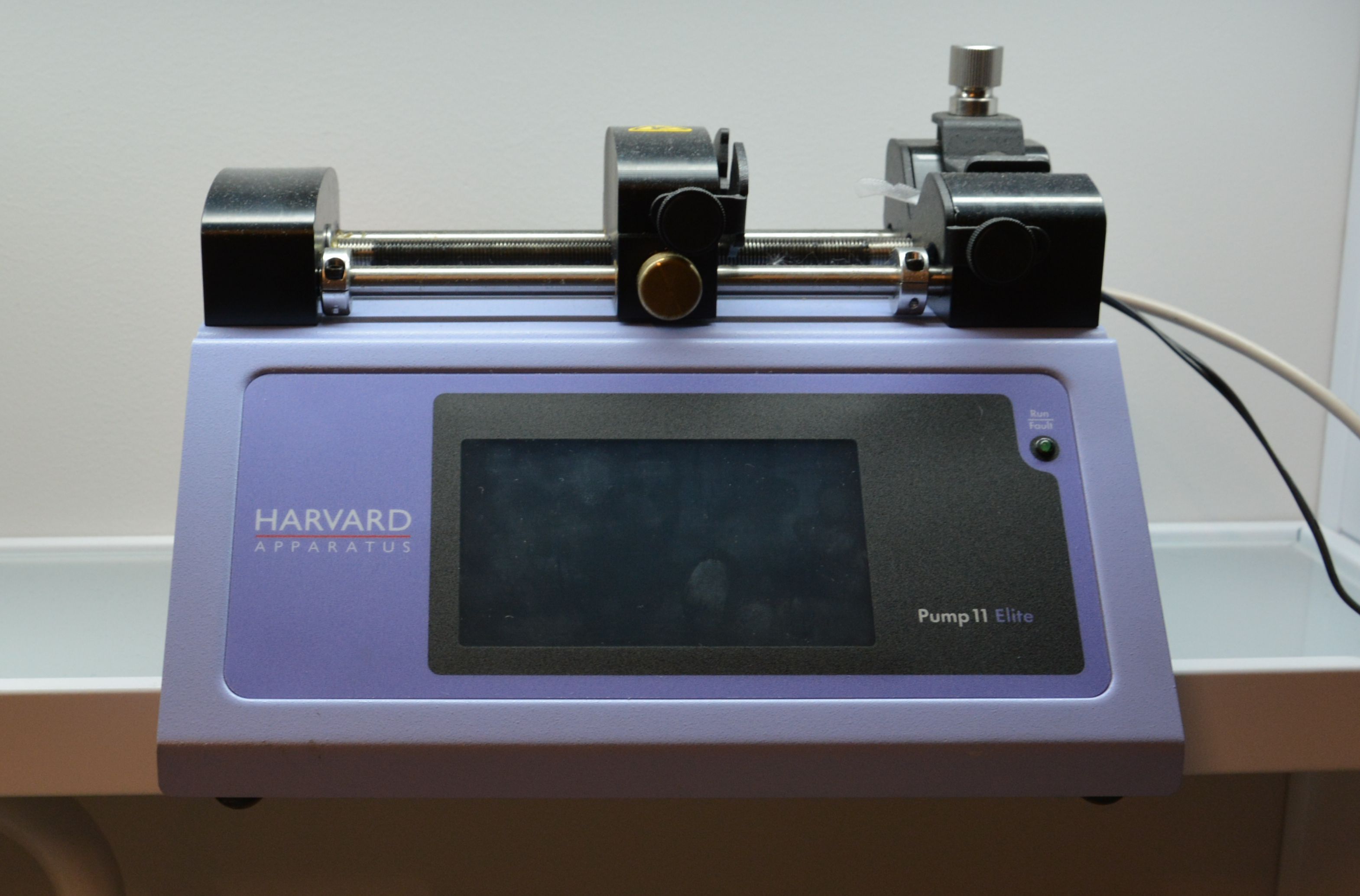
Syringe Pump (Harvard Pump 11 Elite)
The syringe pump enables precise injection of analyte during electrochemical measurements. It allows accurate preparation of calibration curves in electrochemical sensor testing. The device is characterized by high injection accuracy (0.5%) and repeatability (0.05%), a minimum displacement speed of 0.15 µm/min, and a minimum flow rate of 1.28 pL/min.